Just a few years ago, the idea of the perfect summer holiday was fairly straightforward: the more sunshine, the better. Today, that picture is beginning to change. Europe is experiencing increasingly frequent heatwaves, prolonged droughts and widespread wildfires. What was once a major draw for tourists could become a serious challenge within just a few decades.
The question is no longer whether climate change will affect tourism, but how quickly it will redraw the map of Europe’s most popular destinations. And perhaps an even more compelling question is: what will these changes mean for South Moravia? What opportunities and challenges will they bring?
Is the Mediterranean summer holiday on its way out?
Destinations such as Croatia, Greece, Italy and southern Spain will continue to attract millions of visitors. Yet July and August may increasingly become simply too hot.
A holiday in temperatures above 40°C is no longer a chance to unwind, but a test of endurance. As a result, travellers are beginning to shift their trips to spring and autumn. While summer is still the peak season today, a few decades from now tourism may instead peak in April, May, September or October.
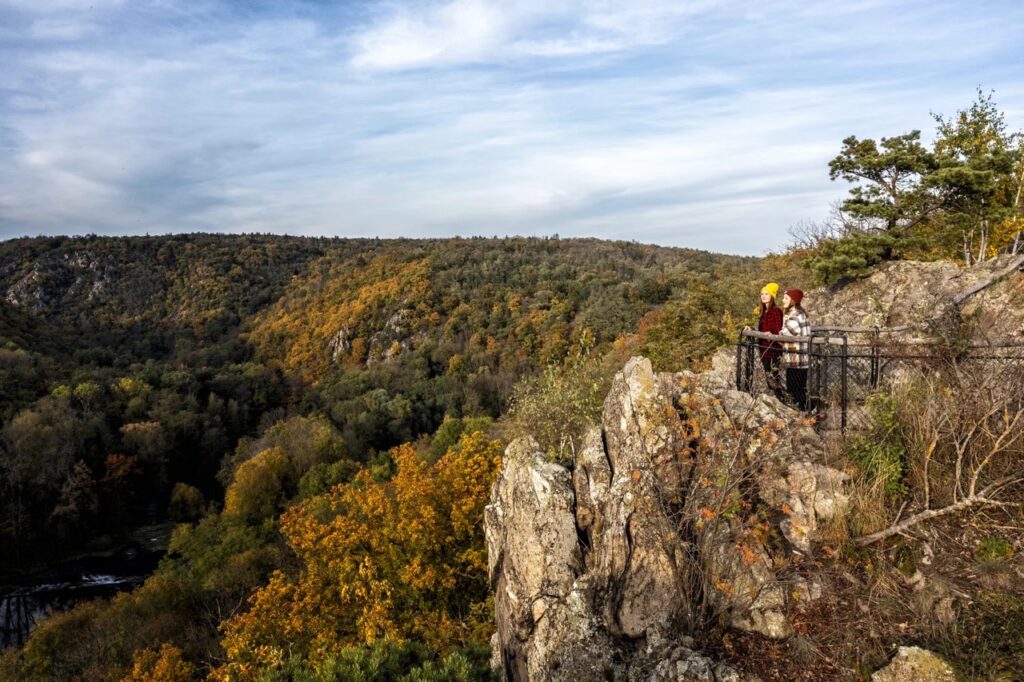
But this raises a much broader question. The tourism calendar is not dictated by nature; it is shaped by social conventions. It is built largely around school holidays, the working year and patterns of life that have remained unchanged for decades. If the peak summer months become increasingly unsuitable for travel, we may eventually need to ask whether it still makes sense to concentrate the main school holiday in the hottest part of the year.
This may sound radical today, but a few decades ago, so did the idea of working from home. In the future, we could see longer spring and autumn breaks, split summer holidays or more flexible school calendars that spread tourism more evenly throughout the year. These are not scenarios for the immediate future, but questions that may become increasingly relevant as climate change progresses.
Perhaps the biggest change will not be the weather itself, but the need to rethink long-established social structures designed for the climate of the 20th century.
Water will become the new luxury
One of the biggest challenges facing tourism in the future will not be heat itself, but water—or rather, the lack of it.
Hotels, swimming pools, golf courses and large-scale resorts consume vast amounts of water. In drought-affected regions, this could lead to conflicts between the needs of local communities and those of the tourism industry.
If some municipalities restrict the filling of private swimming pools or the watering of gardens, people will increasingly ask why hotel pools, water parks or irrigated golf courses should be exempt. What we now consider a standard part of tourism infrastructure could become a subject of public debate, much as energy-intensive operations are today.
We will need to ask the same question in South Moravia: How can we develop tourism in a region that has itself been grappling with drought for years?
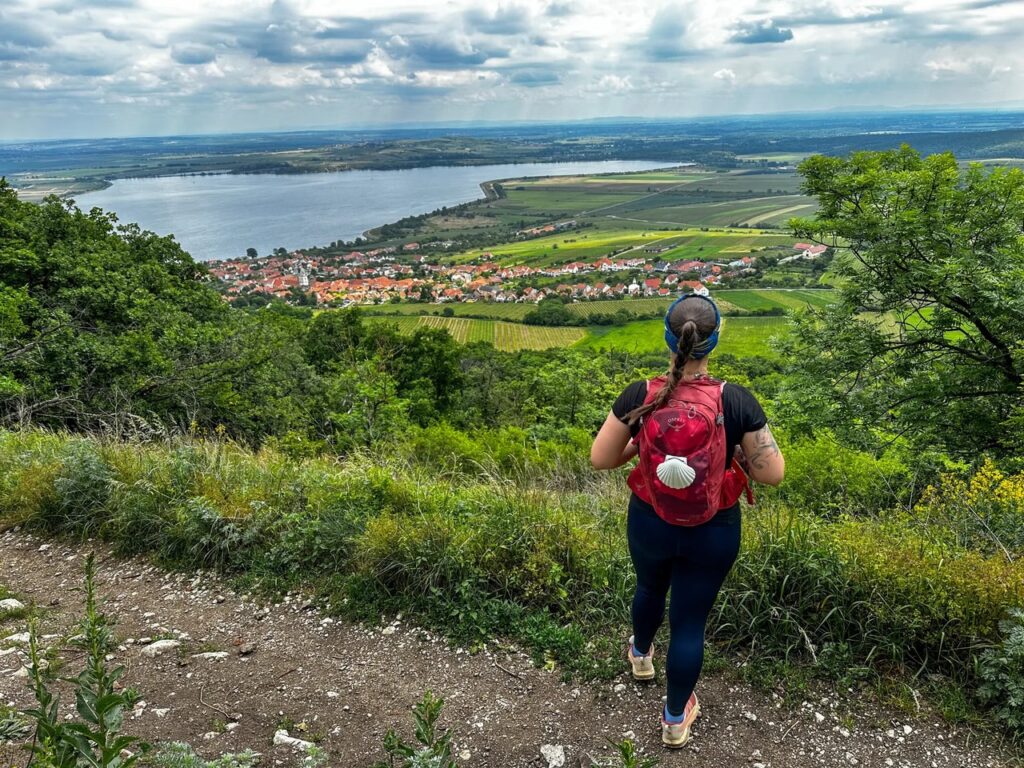
The key may lie in the nature of what the region has to offer. South Moravia has built its identity around wine culture, cycling, heritage and gastronomy—experiences that do not depend on giant water parks or energy-intensive resorts. If the region can combine this naturally low-water tourism model with a genuine commitment to retaining water in the landscape, it could gain an advantage over mass-tourism destinations built around water-intensive attractions.
Holidays will cost more
Climate change will drive up the cost of running hotels, transport services and infrastructure. More air conditioning, higher energy consumption, investment in water management and protection against extreme weather will all feed through into prices.
Destinations that can offer a pleasant climate without relying on costly technical solutions will have the greatest advantage.
What might this mean in practice? Cities will plant more trees and create shaded public spaces, tourism facilities will invest in more water-efficient systems, and organisers of festivals and outdoor events will need to provide cooling zones, drinking-water stations and protection from extreme heat. All of this comes at a cost that will sooner or later be reflected in the price of services.
There is an opportunity here for South Moravia too. The region will not be spared rising temperatures and heatwaves, and investment in the climate adaptation of its towns, cities and landscapes will be essential. Compared with the Mediterranean, however, South Moravia does not face the same extreme combination of risks, such as widespread wildfires and rising sea levels. Destinations that can adapt to hotter summers efficiently and without excessive costs will remain both more affordable and more attractive.
Cities will have to change
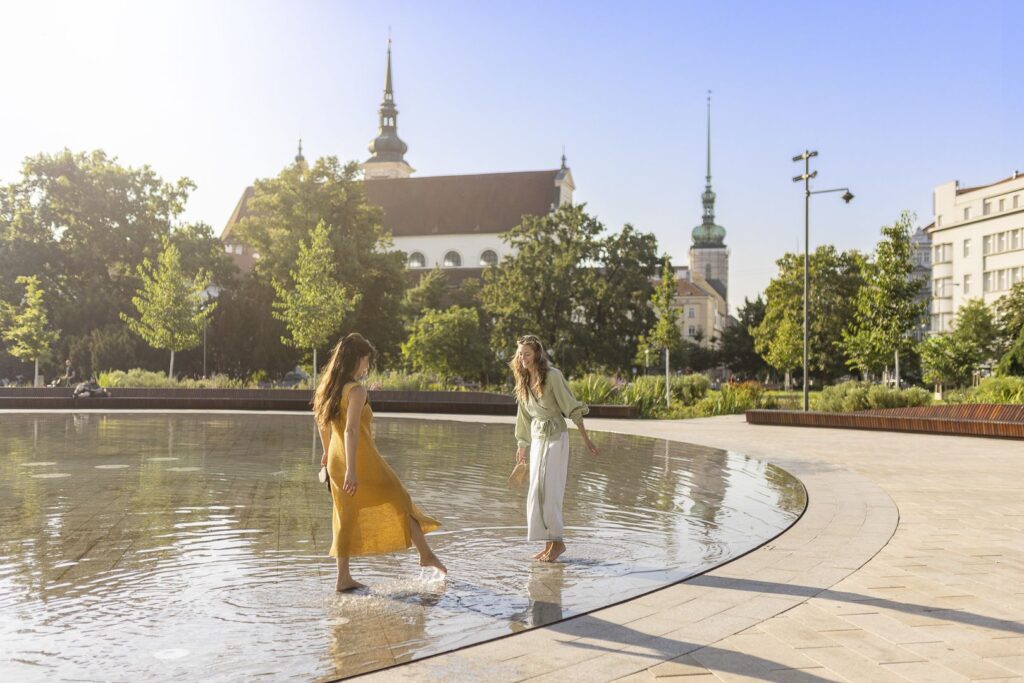
What will cities need to look like to remain attractive to visitors when 35°C becomes a normal part of summer? Most tourist cities still operate according to a 20th-century model: historic squares paved with stone, little shade, heat-baked façades and thousands of people filling the streets. During heatwaves, these are precisely the places that turn into urban heat islands.
Barcelona has been experimenting with the concept of superblocks for several years. The city is restricting through traffic, returning parts of its streets to pedestrians, planting trees and creating more shaded public spaces. At the same time, it is developing a network of climate shelters—places where people can seek refuge during extreme heat. These may include parks, libraries, schools, museums or community centres. Another inspiring example is the Dutch city of Utrecht.
Interestingly, this is not just about the environment. It is about quality of life and a city’s appeal. A visitor who can spend the afternoon in pleasant shade will have a very different experience from one rushing across a scorching square.
Where does Czechia stand? If we want to attract visitors to pleasant, climate-resilient cities, we need to rethink our approach to public space. Every mature tree felled and every new stretch of asphalt intensifies the urban heat island effect. Measures such as planting greenery and creating shaded areas can no longer be seen as an aesthetic luxury, but as key factors in a city’s economic competitiveness and liveability.
Just as we judge cities today by the number of sights they offer or the quality of their services, a few decades from now we may also judge them by how much shade, greenery and welcoming public space they provide on hot summer days.
Travellers will pay more attention to their impact
A growing number of people are considering the environmental impact of their trips, as findings such as the Booking.com Sustainable Travel Report 2026 suggest. Alongside price and the quality of services, another question is becoming increasingly important to some travellers: Is this holiday sustainable?
Regions that are easily accessible by train or bus may gain an advantage. South Moravia lies in the heart of Europe and has the potential to attract visitors from Austria, Slovakia, Poland and Germany without the need for air travel.
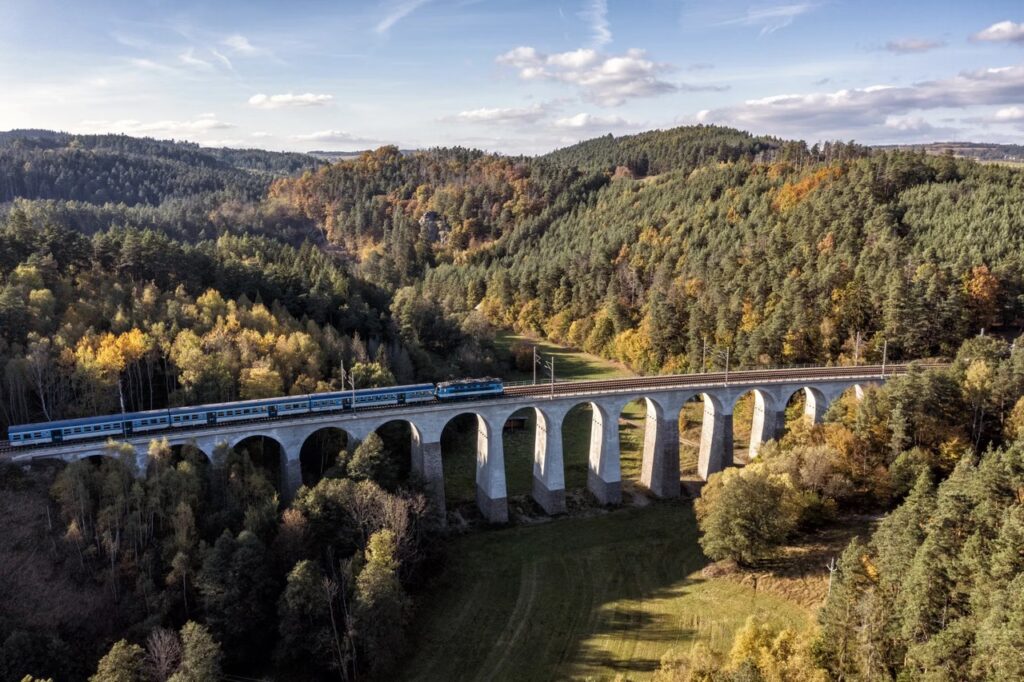
Just a few years ago, flying halfway across Europe for a long weekend was commonplace. Today, however, there is growing debate over whether this model is sustainable in the long term. Some countries have already begun taking legislative action. France, for example, has restricted domestic flights on routes where a fast rail connection is available. The aim is not to prevent people from travelling, but to encourage lower-carbon forms of transport.
Perhaps we have grown accustomed to seeing environmental responsibility as a matter of personal choice. In tourism, however, it is increasingly becoming an economic issue. Regions that can be reached without flying may not only be more sustainable—they may also be more competitive.
The future will not be the same for every destination
The transformation of tourism will not be limited to cities, water or transport. Other trends are also coming into play, including the rise of coolcations—holidays in cooler or milder climates—the growing risk of wildfires in southern Europe and increasingly uncertain winter seasons for mountain resorts.
The future of tourism is unlikely to belong to the hottest, cheapest or most heavily promoted destinations. It will belong to those that offer people a place where they can live well—and, for at least a few days, relax well too.
Regions that can retain water in the landscape, protect greenery, create high-quality public spaces and plan ahead will have an advantage.
This may be one of South Moravia’s greatest opportunities. If Europe’s tourism map truly begins to shift, the most successful destinations will not be those that resist change the longest, but those that prepare for it in time.