When sustainability is discussed in architecture or tourism, the focus often turns to new technologies, energy-efficient buildings, or green certifications. Yet one of the most compelling examples of sustainable development is often much simpler: giving existing places a new lease on life.
Brownfields: A new opportunity for the meetings industry
Brownfields—former industrial, agricultural, or manufacturing sites—have become some of the most exciting locations for urban development and the modern meetings industry. Instead of demolition and new construction, these sites are being transformed into venues that preserve their history, character, and authentic atmosphere. For event organizers, it is precisely this authenticity that makes them so appealing.
South Moravia offers numerous inspiring examples. Places that stood abandoned or neglected just a few years ago have been transformed into galleries, cultural centres, event venues, conference spaces, and meeting locations for businesses. What they all have in common is not only a new purpose but also the ability to preserve the story of the original buildings while adapting them for contemporary use.
Brno: Industrial heritage reimagined
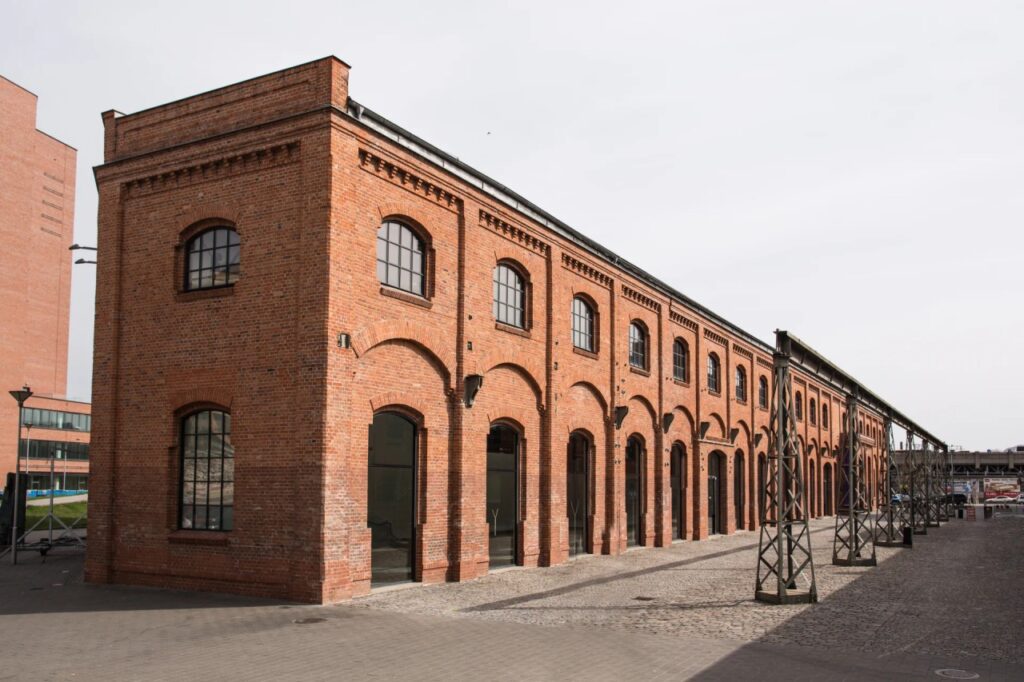
One of the best-known examples is the Vaňkovka complex in Brno, one of the city’s earliest and most successful brownfield revitalization projects. Its redevelopment played a significant role in transforming the entire southern city centre. A key part of this story is the former engineering works of Friedrich Wannieck, whose industrial hall became widely known as Wannieck Gallery and later Fait Gallery. Following the gallery’s relocation, the building once again adopted its original name, Wannieck Gallery. The former foundry has retained its distinctive industrial character and remains one of the region’s finest examples of how historic industrial architecture can be sensitively adapted for cultural and social purposes.
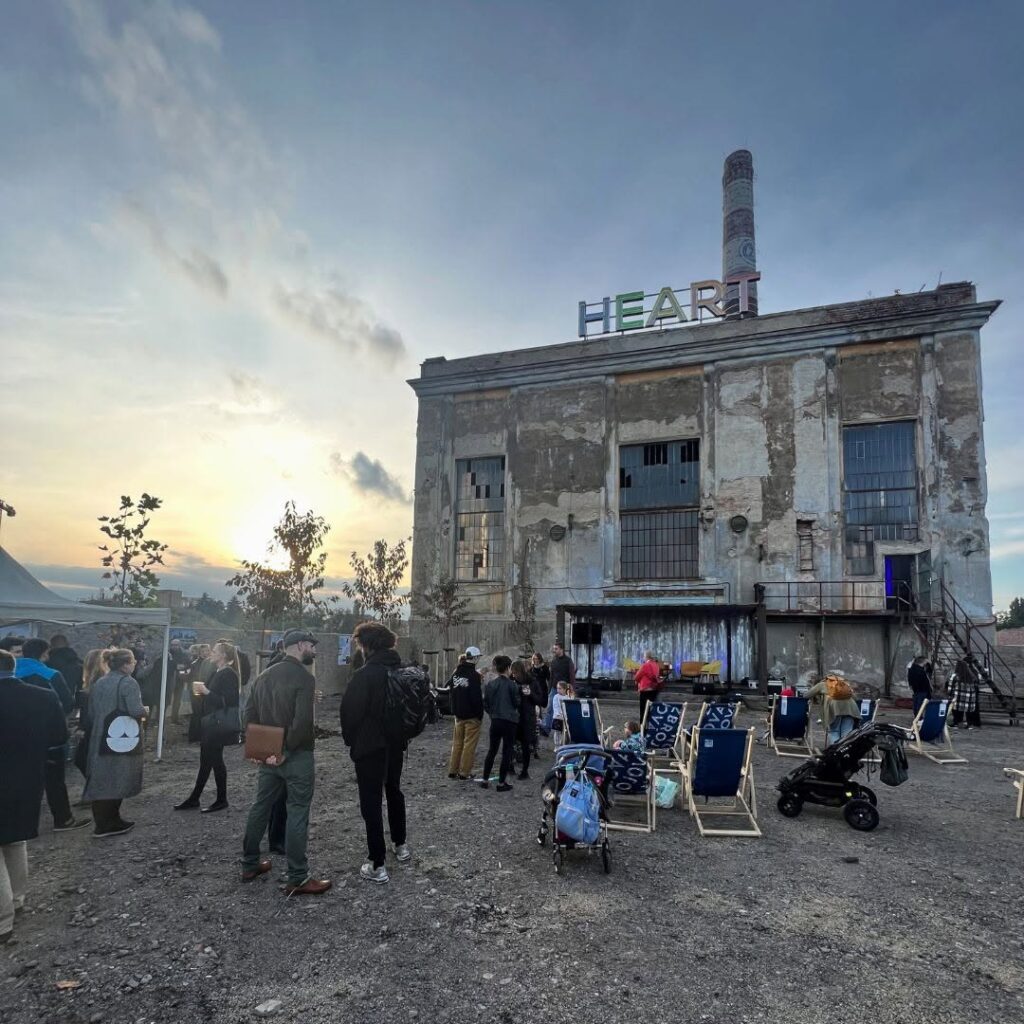
Another landmark redevelopment is taking place at Brno’s former Zbrojovka factory. Once one of the city’s most important industrial sites, it is gradually being transformed into a vibrant mixed-use district combining residential housing, offices, public spaces, and new opportunities for cultural and business events. The area already hosts a variety of venues for corporate, cultural, and social gatherings.
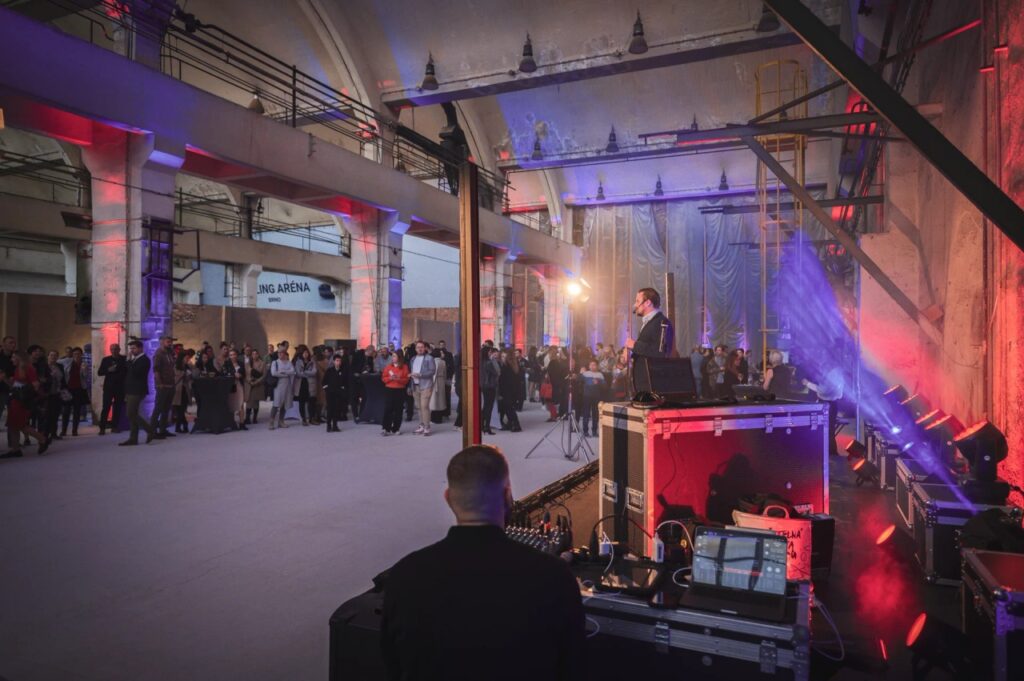
Among the best known is Café Industra, which has become a natural hub for Brno’s creative community and regularly hosts lectures, networking events, and smaller gatherings. Just a short walk away stands Hall 76, an iconic industrial venue covering more than 4,000 square metres. One of the largest event halls of its kind in Brno, it provides a striking setting for conferences, festivals, exhibitions, and corporate events.
The complex also includes a curling hall, expanding the range of team-building activities and accompanying programmes. Another notable example of sensitive redevelopment is the HRAD building, formerly the headquarters of the original Zbrojovka factory. Its renovation preserved many historic architectural features while creating an elegant venue for workshops, training sessions, lectures, and business meetings.
A few steps away from the Nová Zbrojovka complex is Boldhalle, a multifunctional industrial venue that combines contemporary art, design, and flexible spaces for conferences, corporate events, and cultural programmes. Its distinctive atmosphere appeals to event organisers looking for an informal yet inspiring setting.
The newest addition to Brno’s event landscape is Šmeral Art Factory, which opened in June within a former industrial complex on Křenová Street. This new cultural and gallery space occupies what was once a technical service hall, demonstrating that brownfields are not only suitable for commercial or residential projects—they can also be successfully revitalized through art and culture.
Historic buildings finding new purpose across the region
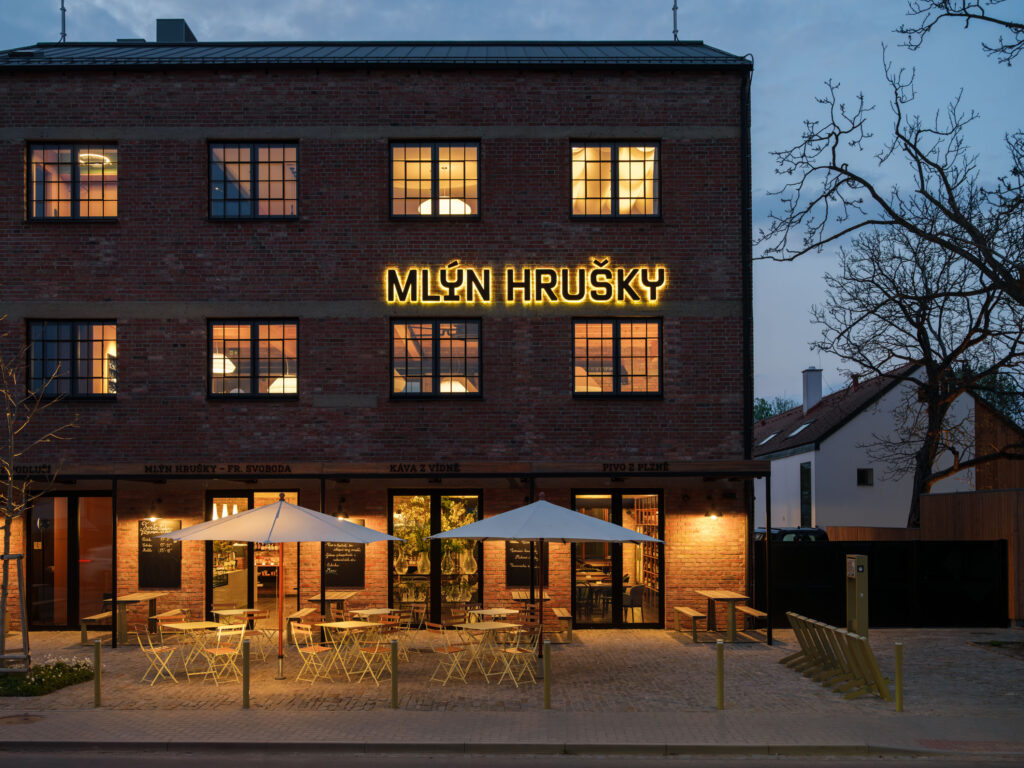
Inspiring examples can also be found beyond Brno. In the village of Hrušky near Břeclav, the careful restoration of a historic mill has created the multifunctional venue Hrušky Mill. Its revitalization received the Ministry of Industry and Trade Award for Brownfield Regeneration as part of the Czech Architecture Awards 2024. The project demonstrates that not only urban industrial sites but also historic rural buildings can successfully begin a new chapter.
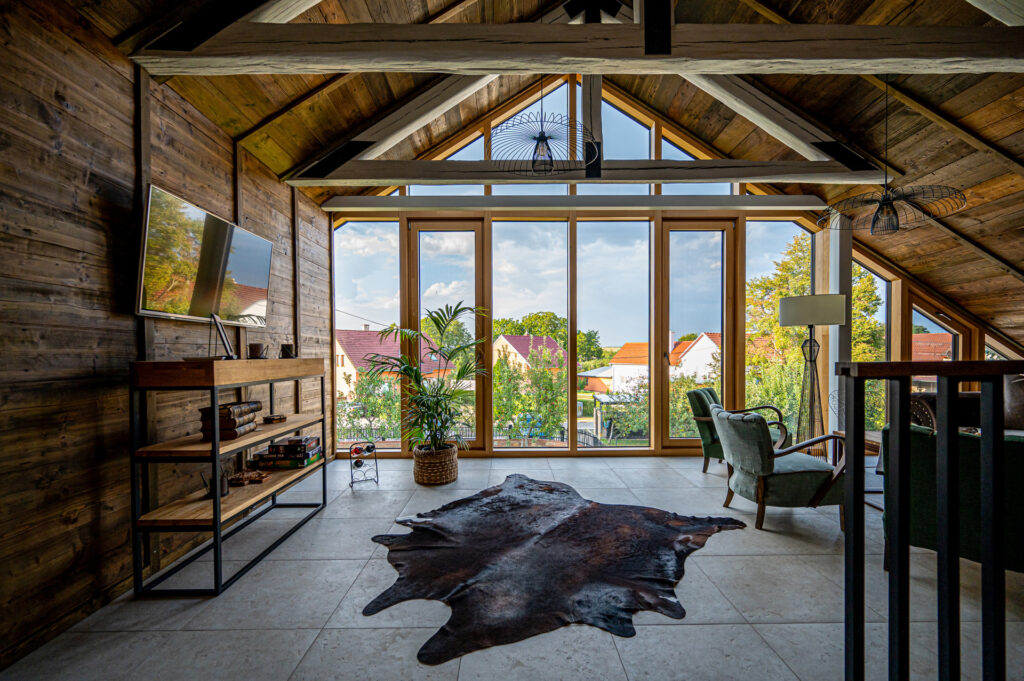
A similar story can be found at Sonnentor in Čejkovice. The company’s premises have gradually evolved through the revitalization of former agricultural buildings and historic structures within the village. Today, the complex combines production facilities, visitor experiences, educational programmes, and event activities, while recently expanding to include conference facilities. It illustrates that a brownfield does not have to be an industrial hall—it can also be a place deeply rooted in regional traditions and community life.
Another inspiring example from the Slovácko region is the transformation of the historic mill in Žeraviny. Today, Galerie Mlýn Žeraviny combines a boutique hotel, fine dining, cultural programming, and event facilities while preserving the authentic atmosphere of the original building. Rather than radically rebuilding the site, the project respects its history and demonstrates how former agricultural buildings can be successfully adapted for contemporary use.
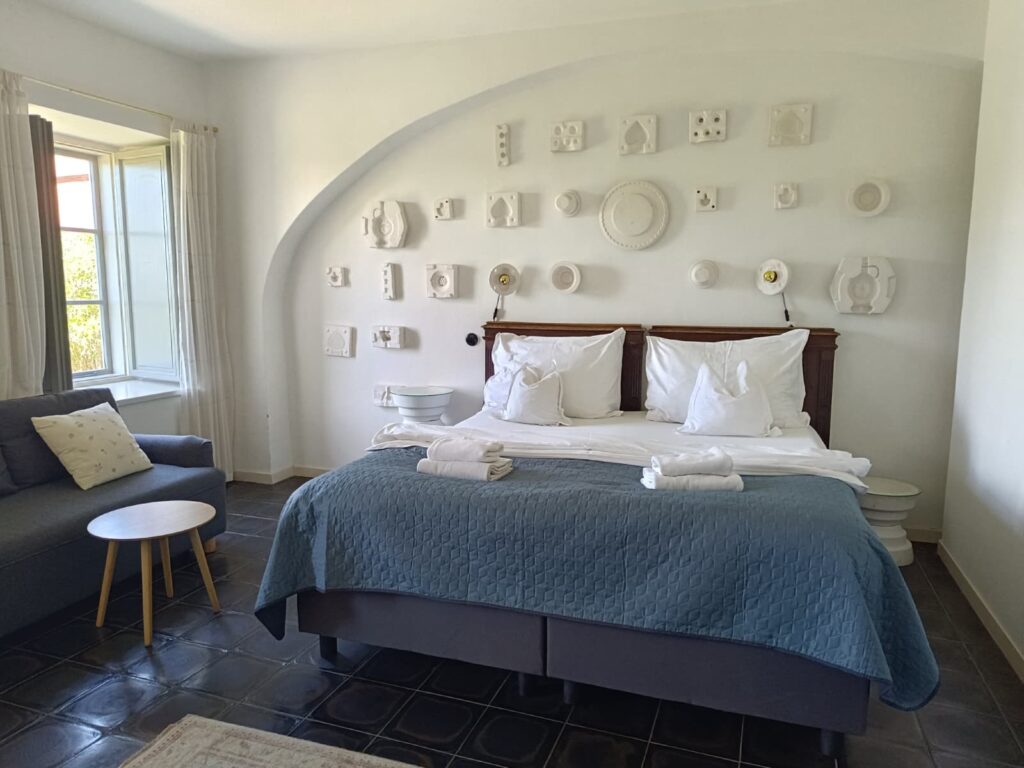
A similarly thoughtful approach can be found at Kocanda Kravsko near Znojmo. The former ceramics factory has undergone a comprehensive renovation and now offers accommodation, gastronomy, and facilities for corporate and social events. It has become particularly popular as a wedding venue while increasingly attracting business events as well.
From coal mine to experience
Another remarkable transformation can be found at the former Kukla coal mine in Oslavany. The former industrial site has been converted into Permonium, a unique adventure park that now serves as an original venue for corporate events, team-building programmes, and accompanying activities.
Together, these examples demonstrate that industrial heritage and smaller brownfields outside major urban centres can gain entirely new functions through high-quality architecture and a clear vision, becoming valuable assets for regional event and conference tourism.
Authenticity as the greatest asset
Today, brownfields represent far more than an architectural or urban planning opportunity. For the meetings industry, they offer something that is difficult to create from scratch: authentic atmosphere and a compelling sense of place. They preserve history, retain their unique character, and create a genuine connection between visitors and the destination. Increasingly, these qualities are just as important to event organizers as technical facilities or venue capacity.